Refinement That Speaks Softly

Step into a world where restraint feels generous and the hand leads the eye. Today we explore quiet luxury through materials that whisper sophistication: stone with a honed hush, wood with lived-in grain, and matte metals with softened glow. Expect tactile insights, grounded stories, and choices that privilege longevity, balance, and integrity over spectacle, proving that calm materials can shape rooms that feel composed, enduring, and unmistakably refined.

Textures That Whisper, Not Shout

Quiet refinement arrives first through touch. Materials with open pores, soft edges, and low-gloss finishes invite the body before the mind, building trust one surface at a time. Honed stone diffuses light, well-finished wood comforts the grip, and matte metals blur reflections, guiding attention toward proportion and form. The result is presence without performance, a visual hush that lingers like a breath, allowing architecture and daily ritual to become the real decoration.

Stone Beneath the Hand

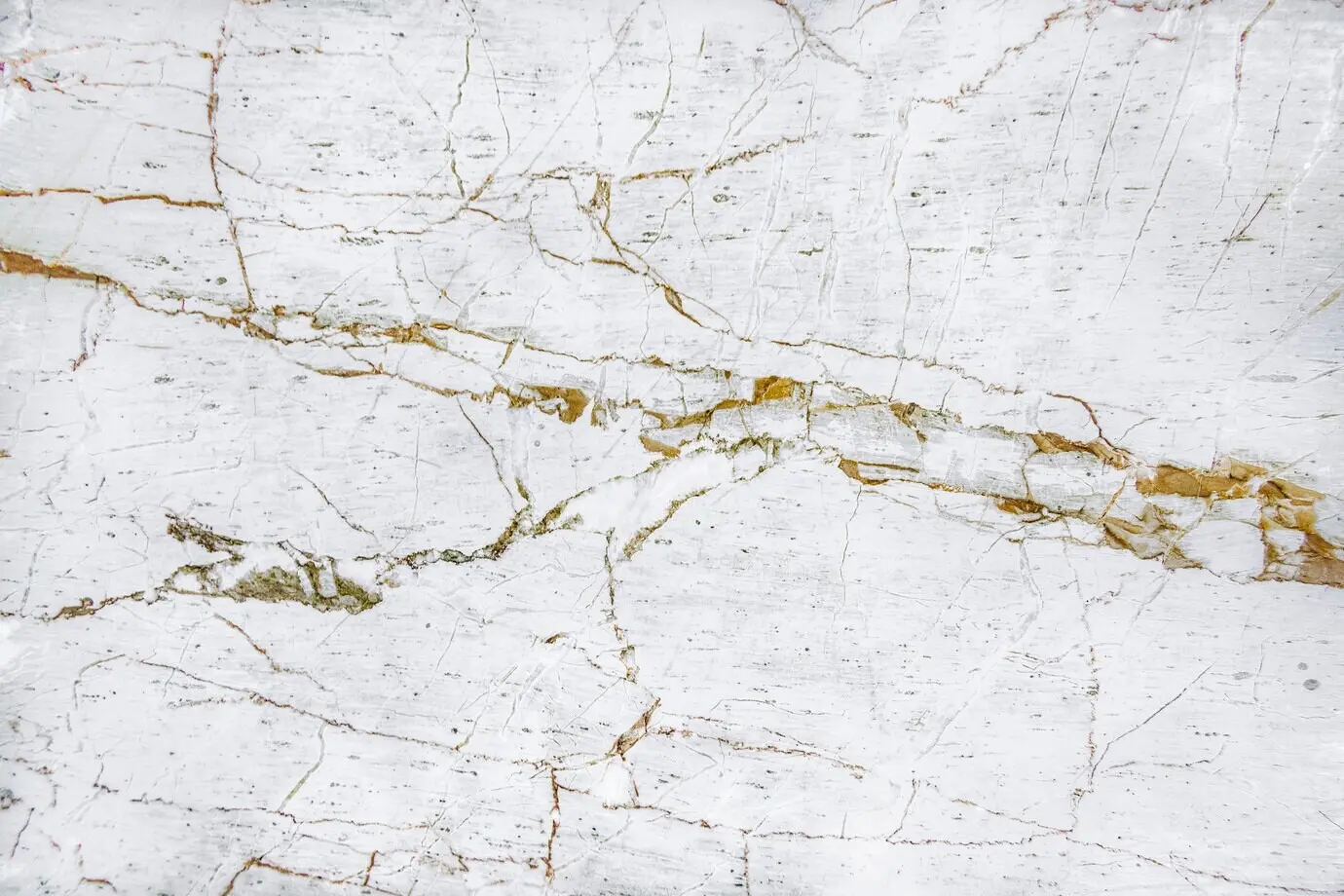
Honed marble, limestone, and soapstone offer depth without dazzle, catching light in a way that feels like morning fog rather than a spotlight. Micro-variations under the fingertips communicate honesty and durability. Edges softened to a small radius feel welcoming, while thoughtfully chosen veining supports calm sightlines. When stone is chosen for tactility rather than glamour, a space becomes easier to inhabit, rewarding touch, and aging into a quiet, graceful patina that reflects how you actually live.

Grain That Tells Time

Rift-sawn oak, walnut, and ash reveal grain like topography, guiding the eye along lines that feel rhythmic, not busy. An oil or hardwax finish celebrates fiber and depth, allowing small dents to read as character rather than damage. As seasons shift, so does tone, subtly warming in lamplight and cooling at dawn. This is wood that accepts life’s touch, wearing stories gently, and reminding us that refinement can be forgiving, lived-in, and deeply humane.

Choosing Materials with Intent

{{SECTION_SUBTITLE}}

Stone: Balanced Veining and Honest Finish

Look for veining that supports clarity rather than steals focus—open, gentle movement rather than high-contrast drama. Honed or leathered finishes soften reflections and conceal fine wear better than polished counterparts. Consider limestone for warmth, marble for refined calm, and soapstone for robust, velvety tactility. Ask about quarry practices, edge conditions, and sealing options. By pairing geology’s character with human restraint, you get surfaces that feel composed yet alive, practical yet poetic, quietly signaling confidence without theatricality.

Wood: Density, Grain, and Responsible Origin

Select species for density and stability, then refine by grain pattern and tone. Rift-sawn or quarter-sawn cuts deliver linear calm and reduced movement. Finishes should highlight fiber, not smother it; oils and hardwax allow repairable beauty. Demand traceable forestry and consider reclaimed stock for historical depth. Match species to use: walnut for warmth, oak for backbone, ash for lightness. When wood is chosen with patience and purpose, its quiet becomes a daily, reassuring companion.

Edges, Radii, and Reveals

A one to two millimeter radius on stone calms light and prevents chipping without reading bulky. Shadow reveals between materials create breathing room, acknowledging differences instead of forcing a flush illusion. These micro-decisions reduce visual noise and elevate handfeel. When the body senses generosity at edges, it relaxes, and rooms feel inherently kinder. The eye reads quiet alignment, while the hand confirms trust—small moves that collectively signal real care and enduring refinement.

Joinery That Breathes

Mortise-and-tenon, dovetails, and well-executed dowel joinery are not nostalgia; they are maintenance strategies disguised as beauty. Wood expands and contracts, so joints must respect movement without drama. Keep fasteners discreet yet accessible. Let grain wrap around corners where possible, supporting visual continuity. Good joinery sounds quiet because it removes future noise: creaks, gaps, and premature failure. What remains is a calm silhouette with bones strong enough to accept touch, time, and everyday living.

Finish as a Conversation with Time

Choose finishes that can be refreshed rather than chased. A light oil can be repaired locally, while a honed stone surface can be re-lapped if life leaves heavier marks. Matte metals appreciate gentle, periodic care instead of harsh polishing. Accepting patina as narrative allows you to participate in maintenance without anxiety. This steady dialogue with surfaces doesn’t diminish luxury—it deepens it, transforming upkeep into ritual and ensuring the whole remains quietly radiant year after year.

Light and Color for Quiet Surfaces

Low-gloss materials thrive when light is layered and color stays restrained. Daylight should graze, not blast; evening light should pool, not fanfare. Pair warm woods with cooler stones or vice versa, letting contrast remain gentle. Matte metals add punctuation, not punctuation marks. Wall colors that echo mineral tones flatter veining and grain. When illumination respects texture, rooms feel slower, richer, more dimensional, and the quiet character of every surface becomes eloquent instead of shy.

Daylight that Grazes, Not Glares

Orient stone so light slides across rather than beams directly at it, revealing micro-topography in honed or leathered finishes. Consider sheer layers to diffuse harsh midday sun. Pale mineral wall tones—chalk, putty, bone—reflect softly, amplifying depth without stealing attention. Wood warms in this light, while matte metals spark subtle highlights that clarify form. The overall effect is serenity with detail, a daylight choreography that respects materials and makes rooms feel effortlessly composed.

Evening Layers and Measured Shadow

At dusk, use layered sources—pendants for ambient, sconces for comfort, and low-level lamps for intimacy. Aim for dimmable warmth that flatters grain, veining, and brushed finishes. Shadows should define edges, not swallow them. Choose shades that diffuse rather than spotlight, letting matte metals glow like candlelight. The stone reads velvety, wood turns honeyed, and metal becomes a quiet ember. This layered approach turns routine evenings into rituals, encouraging slower meals, gentler conversations, and unhurried reflection.

Balancing Warmth and Coolness

Harmony emerges when warm and cool elements support each other. A cooler Carrara can anchor warm walnut; a creamy limestone can soften darker bronze. Keep color saturation low so undertones speak clearly. Repeat tones across materials—beige veins echoing paint, wood knots mirroring metal warmth—to create a steady cadence. The goal is not neutrality but balance: contrasts that feel hydrating, not high-strung, ensuring the eye travels calmly and rests where shape and craft take the lead.

Longevity and Care, Simplified

Care should feel like stewardship, not servitude. Choose routines that are gentle, infrequent, and forgiving. Natural pH cleaners, breathable finishes, and soft cloths are your allies. Embrace patina as evidence of life rather than failure. Schedule small, regular touch-ups instead of rare, heroic interventions. When maintenance aligns with materials, you protect both appearance and integrity, letting surfaces gather a quiet glow that is less showroom, more sanctuary—elegance that deepens, not diminishes, with time.

Stories from Real Rooms

An Entry That Calms

A honed limestone floor meets a rift-oak bench with a small brass hook rail overhead. Morning light grazes the stone, lifting texture like a quiet greeting. Keys land with a soft metallic thud; shoes slide easily under the bench’s shadow. No ornament beyond proportion and touch. The message to guests is immediate and kind: breathe, slow down, you are welcome here. A simple trio of materials composes a gracious pause before the day fully begins.

A Kitchen that Works Quietly

Soapstone tops absorb heat and anxiety, refusing glare. Walnut drawer boxes open on smooth runners, the finger meeting wood first, hardware second. A satin-nickel faucet casts a gentle highlight that guides the hand at night. Tasks hum without drama; cleanup is straightforward. Over years, minor cuts become softened witnesses to meals shared. The room isn’t precious; it is precise, supportive, and forgiving, delivering the rare joy of tools that quietly make you better.

A Bedroom that Grounds

A low, solid-oak bed frame anchors the room, its grain running like water. A slab of honed marble serves as a bedside plateau, cool to the touch for evening tea. Bronze pulls on a wardrobe glow like dusk, never bright. Walls in mineral white reflect lamp light softly, muting shadows. The space feels gathered, serene, and generous with silence. Sleep arrives easier when surfaces ask nothing and offer calm, inviting a slower, kinder morning.

Tracing Stone Responsibly

Prioritize quarries with documented labor standards and environmental stewardship, minimizing waste and protecting local water. Request test data on porosity and finish durability to prevent mismatches that lead to premature replacement. Consider regional stones to reduce transport emissions and support craft knowledge nearby. Ask about slab thickness and reinforcement practices. The goal is a chain of custody you can name, turning a beautiful slab into a narrative of fairness, longevity, and thoughtful, place-sensitive extraction.

Wood with a Future

Seek FSC or equivalent certifications and ask about species suitability based on climate and use. Reclaimed sources add history while reducing demand on forests, but verify moisture content and stability. Support mills that respect waste streams and craftspeople who optimize boards for yield and beauty. The right cut can save decades of maintenance headaches. Buying wood with a conscience looks like patience, partnership, and pride—qualities that express themselves in furniture that stays loved and in service.

Metals that Age Gracefully and Ethically

Choose alloys with meaningful recycled content and partners who disclose finishing chemicals and disposal practices. Favor living finishes when appropriate, avoiding lacquers that crack or yellow. Verify repair pathways for parts likely to wear. Local fabrication shortens communications and reduces transport, yielding better oversight and outcomes. When ethics travel with the object, patina feels like heritage, not compromise. Your hand meets a story of people and process, and the glow reads as earned rather than applied.

Begin with One Thoughtful Change

Transformation need not be sweeping. Replace a single glossy surface with something softer, and watch the entire room recalibrate. Start small, observe, then continue with confidence. Measure success by ease and longevity: less glare, warmer touch, calmer outlines. Share your experiments, ask questions, and learn alongside a community that values restraint. Subscribe for field-tested guidance, material deep dives, and approachable maintenance rituals that keep surfaces beautiful without fuss or fear.

Swap Gloss for Honed

Change one countertop or side table from polished to honed or leathered. Immediately, reflections quiet and texture steps forward, supporting softer light and calmer sightlines. You will notice fingerprints less and geometry more. If replacing isn’t feasible, add a honed stone tray or plinth to test the effect. Observe for a week in varied light. This small pivot teaches how finish alone can transform mood, setting the stage for future, smarter updates.

Trade Veneer for Solid Grain

Introduce a single solid-wood element—a bench, a nightstand, or a cutting board—finished in oil rather than film. The difference in feel, repairability, and tone will be immediate. Minor marks buff out, and the grain keeps speaking. If budget or weight is a concern, choose thick veneer over stable cores with honest edges. Note how the room becomes more forgiving. Share before-and-after impressions and what surprised you; your observations help others choose with clarity.
Xitekovorafimufekotovi
Privacy Overview

This website uses cookies so that we can provide you with the best user experience possible. Cookie information is stored in your browser and performs functions such as recognising you when you return to our website and helping our team to understand which sections of the website you find most interesting and useful.